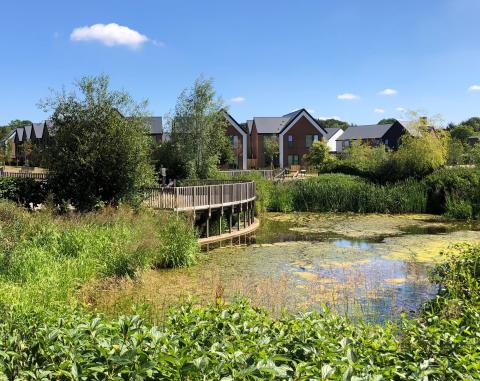
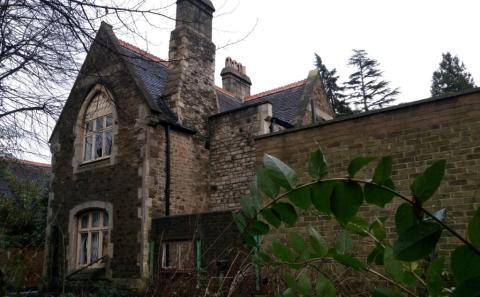
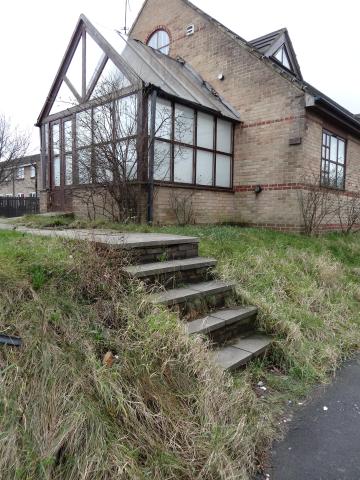
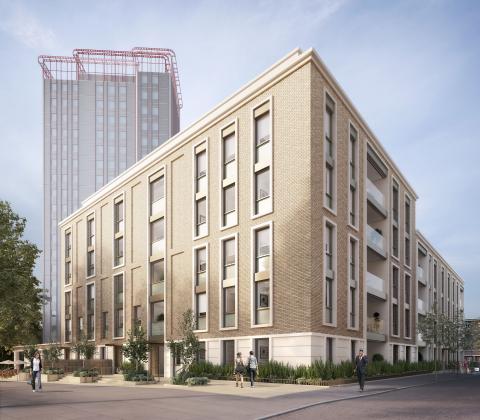
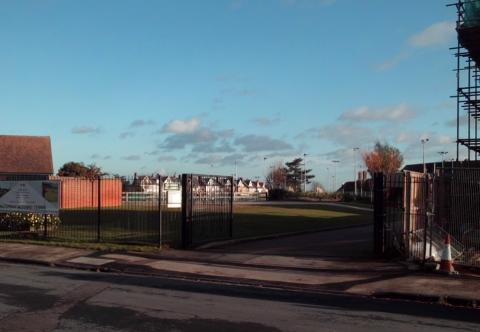
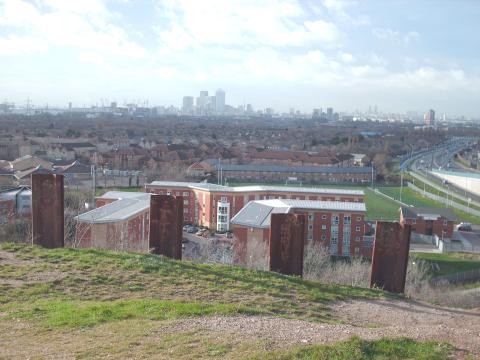
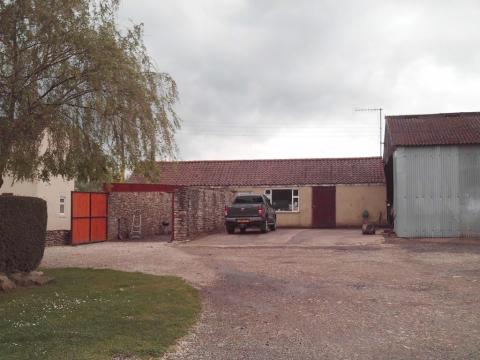
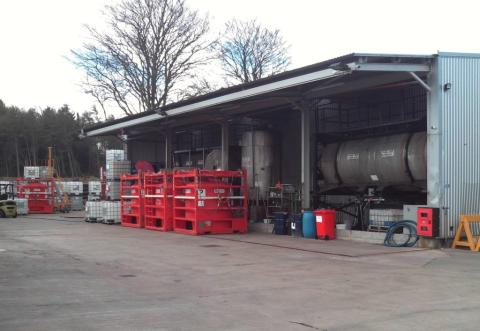
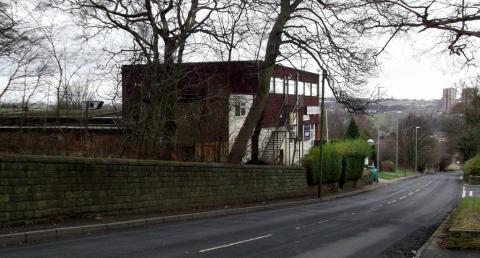
Projects Filter by Former use: - Any -Agricultural UseCommercial UseIndustrial SiteLandfill On or Near SiteMining AreaOffice to Residential ConversionPetrol Filling StationScrap YardVehicle Repair Workshop Filter by Proposed use: - Any -Agricultural UseEducation or Healthcare FacilityIndustrialMixed Use DevelopmentOffice DevelopmentRecycling & ReclamationResidential DevelopmentRetail Development Image View of completed project from communal landscaping Mindenhurst, Camberley Brief To monitor the remedial works to ensure implementation of the specified remediation strategy previously prepared by others and provide verification testing and READ MORE Image “Before” when we undertook our walkover in January 2017 Fulham Palace Rd Cemetery Lodge We have been involved in this project from the start, and first visited site on 16 January 2017 to undertake a site walkover for our phase 1 desktop study. READ MORE Image Little Hornton Lane, Bradford Brief: Conduct a phase 1 environmental report. READ MORE Image Bangrave Road, Corby Brief: Produce a phase 1 environmental desk top study for a site at Corby to assess the risks to sensitive receptors both on and off-site due to soil and groundwater contamination as a result of the proposed development. READ MORE Image View from Edgware Road Parson’s North, Westminster Project: The site is located on the Edgware Rd in Maida Vale. READ MORE Image Bath Road, Felixstowe Brief: Conduct a phase 1 environmental study is to assess the risks to sensitive receptors both on and off-site due to soil and groundwater contamination as a result of the proposed development. READ MORE Image Thames Oil Port The site is a former oil refinery and the same stringent fire precautions remain in place, this necessitated the use of flame and heat resistant overalls in addition to the usual ppe. READ MORE Image East London Located in east London the proposal for this site is for mixed use including, leisure, hotel and residential. This video was used during the desktop study stage to assist in assess the entire site. READ MORE Image Pontefract, West Yorkshire Brief: Conduct a phase 1 environmental report to assess the risks to sensitive receptors both on and off-site due to soil and groundwater contamination as a result of the proposed development. READ MORE Image Portlethen, Aberdeen Brief: Undertake a site visit and prepare a phase 1 environmental report. READ MORE Image Greystones, Truro, Cornwall The proposed development site is located on the side of the valley adjacent to a shaft and engine house for a former copper mine that worked between 1817 and 1874 producing almost 25,000 tons of copper ore. READ MORE Image Farnley, near Leeds Brief: To carry out a phase 1 environmental desk top study and assess the risks to sensitive receptors both on and off-site due to soil and groundwater contamination as a result of the proposed development. READ MORE Pagination Current page 1 Page 2 Page 3 Next page Next › Last page Last »