


Environmental Audit Committee publishes report on PFAS
PFAS (Per- and polyfluoroalkyl substances) are a group of over 10,000 synthetic "forever chemicals" widely used that do not easily break down. Once released, they remain in the environment and can accumulate in the human body over time.
Last Thursday (23 April), the Environmental Audit Committee in Parliament published the final report from their inquiry on Addressing the Risks from PFAS.
You can read the report here:
https://committees.parliament.uk/publications/52776/documents/294134/default/
PFAS Plan: building a safer future together
The government have prepared a plan to address the issue of polyfluoroalkyl substances (PFAS) in the environment. Contamination by PFAS, dubbed "forever chemicals" is widespread across the UK, with recent data showing the chemicals present in 46% of groundwater and 88% of surface water samples. It is reported that over 10,000 high-risk sites have been identified, and investigations have found PFAS in drinking water sources across 17 of England's 18 water companies.
The government website states:
The revised Environmental Improvement Plan 2025 announced a commitment to take action on per- and polyfluoroalkyl substances (PFAS), commonly known as ‘forever chemicals’. This included the publication of a PFAS Plan in 2026.
The plan sets out the government’s overall approach to this issue, with actions across 3 main sections:
- understanding PFAS sources
- tackling PFAS pathways
- reducing ongoing exposure to PFAS
The plan reflects the government’s commitment to protect public health and the environment while supporting innovation and economic growth.
National Planning Policy Framework Consultation
The Ministry of Housing, Communities and Local Government (MHCLG) is consulting on a revised National Planning Policy Framework (NPPF) to boost housing supply—targeting 1.5 million homes over five years—and promote sustainable development, with a consultation closing on March 10, 2026. Proposed changes focus on urban densification,, supporting SME builders, and strengthening infrastructure.
Key aspects of the proposed revisions include:
- A strong push for urban development including "grey belt" development.
- Focus on unlocking development around transport hubs.
- Stronger requirements for councils to meet housing needs, including addressing unmet need from neighbouring areas.
- Revisions to policy regarding flood risk and climate change.
If you are interested in commenting the link to the Government's consultation can be found here: National Planning Policy Framework: proposed reforms and other changes to the planning system - GOV.UK
3.4 Million Homes on Grey Belt Sites
Searchland have estimated that there are 5,858 grey belt, or grey field, sites across the UK with the potential to provide 3.4 million homes. While as may be expected many are in former industrial heartlands some 18% of the identified sites are located in the southeast. For more information visit Searchland.
Should SME Builders be Added to the Endangered Red List
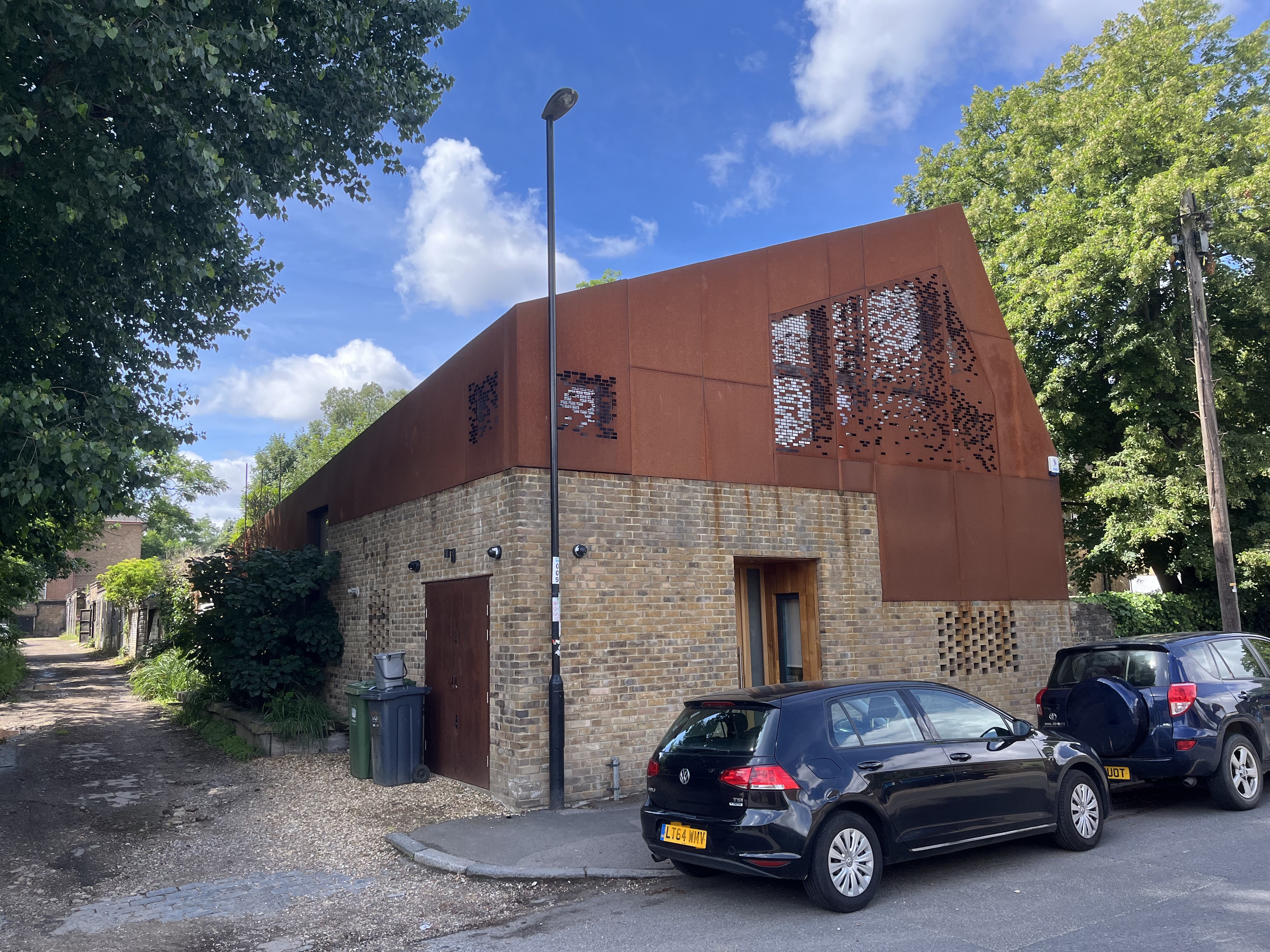 Pocket Living, a housing developer, is driving a campaign to increase the contribution of SME housebuilders to new housing.
The proportion of housing supplied by SMEs has dropped significantly over the last few decades.
An infill housing development on the site of former lock-up garages in southeast London illustrates what can be done
Two of the ten points specifically mention the use of brownfield sites and of course many of the small sites that are being promoted within this ten point plan will be brownfield sites. This campaign is to be welcomed as a common sense contribution to growing housing output.
The 10 point plan is as follows:
- Empowering Homes England – By Paul Rickard Create up to 25 new bespoke Homes England SME Managers and include a metric within Homes England’s annual performance review requiring at least 15% of housing delivery to come from SMEs.
- Finish Tax Reform to Drive Investment into New Brownfield Homes – By Andrew White. Reform tax to allow full expensing of build costs for new homes when the money is spent, rather than when they are finally sold.
- Small Sites Planning Policy – By Marc Vlessing OBE. Unlock the delivery of thousands of homes through minor tweaks to Para 70 in the NPPF, allowing for a presumption in favour of development for small brownfield sites.
- Small, but Perfectly Formed – By Russell Curtis. Deliver suburban design guides to offer greater certainty, potentially unlocking 900,000 homes within a 10-minute walk from major train stations in London alone.
- Implement a National Public Land Portal for Small Sites – By Hugo Owen Councils across England and Wales possess over 300,000 unused small sites. A national public land portal dedicated to small sites for SMEs could facilitate their development.
- Implementing Quotas for SME Housebuilders in the Local Plan Process – By David Parry. Implement a quota of allocations per local plan for local SMEs to ensure they continue to play a role in the housing market.
- Exploring the Kiwi Approach to Planning Committee Procedures – By Grant Leggett. Draw upon New Zealand’s approach by reforming the committee process so only the largest applications are referred and depoliticise the process by including experts on the panel.
- Helping People on and Up the Housing Ladder – By Gary Day & Suzanne Revel. Refine the national housebuilding target to provide for a minimum of 10% as specialist housing for older people and offer greater certainty through a presumption in favour of specialist housing on small sites.
- Creating Certainty for Planning Decisions Through a Chief Planner – By Georgina McCrae. Encourage Local Planning Authorities to employ a Chief Planning Officer responsible for ensuring decisions align with the adopted and up-to-date Local Plan.
- The Growing Challenge of Rights of Light – By Jonathan Lonergan & Jamie Parkes. Right of Light liabilities can reach upwards of £1.5 million for a 100-home scheme. The government should encourage all local authorities to use pre-existing statutory powers under s.203 to ensure small sites remain viable.
Brown, Grey, Green Field Land Development
Advantages and Disadvantages, with Comparison to Greenfield and Greyfield Development.
Brownfield land development has emerged as a pivotal aspect of sustainable urban planning, addressing the challenges of urban sprawl and environmental degradation. In this article, we will explore the intricacies of brownfield development, delving into its advantages and disadvantages, while drawing comparisons to the more conventional approach of greenfield and the recently coined greyfield development.
Understanding Brownfield Land
Brownfield land refers to previously developed sites that have become underutilised or abandoned, often due to changing industrial practice or contamination from former use. These sites pose unique challenges and opportunities for redevelopment, making them a focal point for urban planners and environmental specialists.
Advantages of Brownfield Development
1. Optimal Land Use: Brownfield development allows for the repurposing of existing infrastructure, making efficient use of land within urban areas. This reduces the pressure on green spaces and preserves natural habitats.
2. Infrastructure Accessibility: Brownfield sites are typically well-connected to existing infrastructure, such as roads, utilities, and public services. This accessibility facilitates cost-effective development and minimises the need for extensive new infrastructure.
3. Urban Revitalization: Transforming brownfield sites can breathe new life into urban areas, fostering community growth and economic revitalization. The redevelopment of these sites often leads to increased property values and attracts businesses, creating a positive impact on the local economy.
4. Environmental Remediation: Brownfield development presents an opportunity to remediate contaminated land, mitigating environmental hazards and restoring ecosystems. This not only benefits the immediate surroundings but can contribute to the overall improvement of environmental quality.
5. Regulatory Support: Companies acquiring contaminated or derelict land can claim an enhanced deduction of 50% or 150% against corporation tax for the remediation costs. This relief can also be claimed on past developments.
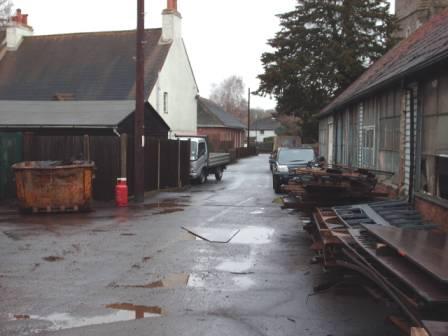
Disadvantages of Brownfield Development
1. Environmental Challenges: Brownfield sites are often contaminated with hazardous materials, posing significant environmental challenges. Cleanup efforts can be costly and time-consuming, requiring specialised knowledge and technology to ensure effective remediation.
2. Uncertain Costs: The extent of contamination and the complexity of cleanup processes can lead to unpredictable costs. Developers may face unexpected expenses, impacting the financial feasibility of brownfield projects.
3. Community Opposition: Some communities may resist brownfield redevelopment due to concerns about environmental risks or changes to the character of the neighbourhood. Community engagement and transparent communication are crucial to address these concerns.
4. Limited Space: Brownfield sites, while advantageous in reusing existing infrastructure, may have limited space compared to greenfield developments. This constraint can limit the scale and scope of projects.
Comparison with Greenfield and Greyfield Development
1. Greenfield Development:
Advantages: Greenfield development offers a clean slate, allowing for large-scale planning without the constraints of existing structures or contamination. It provides ample space for expansive projects and is often seen as a straightforward option with fewer unknowns.
Disadvantages: The environmental impact of converting undeveloped land into urban areas can be significant. Greenfield development may also require extensive new infrastructure, increasing costs and impacting natural habitats. There may be significant public objection to development on greenfield sites.
2. Greyfield Development:
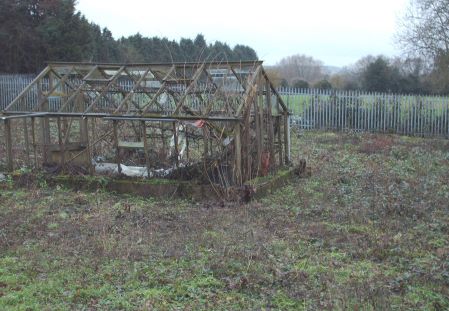
Advantages: Greyfield is a newish term referring to sites which lie within the designated greenbelt but have history of commercial or industrial use and are now derelict or underused. Such development allows for the repurposing of and efficient use of land. It reduces the pressure on green spaces and preserves natural habitats. Greyfield development presents an opportunity to remediate contaminated land, mitigating environmental hazards and restoring ecosystems. Tax relief may be available.
Property Wire has reported on an investigation by Frank Knight which found:
"Knight Frank identified over 11,000 grey belt sites comprising less than 1% of the green belt, which do not include agricultural or residential uses.
Together these grey belt sites sit on land totalling 13,500 hectares ...
This land could be used for approximately 100,000 new family homes, potentially rising to over 200,000, ..."
Disadvantages: Similar to brownfield development, greyfield sites may require environmental remediation. Additionally, they might lack the connectivity and accessibility of brownfield sites in urban areas.
Conclusion
In the realm of sustainable urban development, brownfield land holds immense potential for addressing the challenges of growing populations and urbanisation. While brownfield development comes with its set of challenges, the benefits, including optimal land use, infrastructure accessibility, and environmental remediation, can make it a viable and attractive option. By comparing it with greenfield and greyfield development, we gain insights into the unique advantages and considerations associated with each approach. As we navigate the complexities of urban planning, brownfield development stands out as a key strategy for creating vibrant, resilient, and environmentally conscious communities.
In order to go forward any project has to be financially viable. The importance of having an experienced partner to assess the available information and advise on potential remediation cannot be overstated. For those willing to take the time to assess the risk there are opportunities to create successful developments. As they say in Yorkshire "Where there's muck there's brass".
New Permitted Development Rights for Farm Buildings come into Force this Week
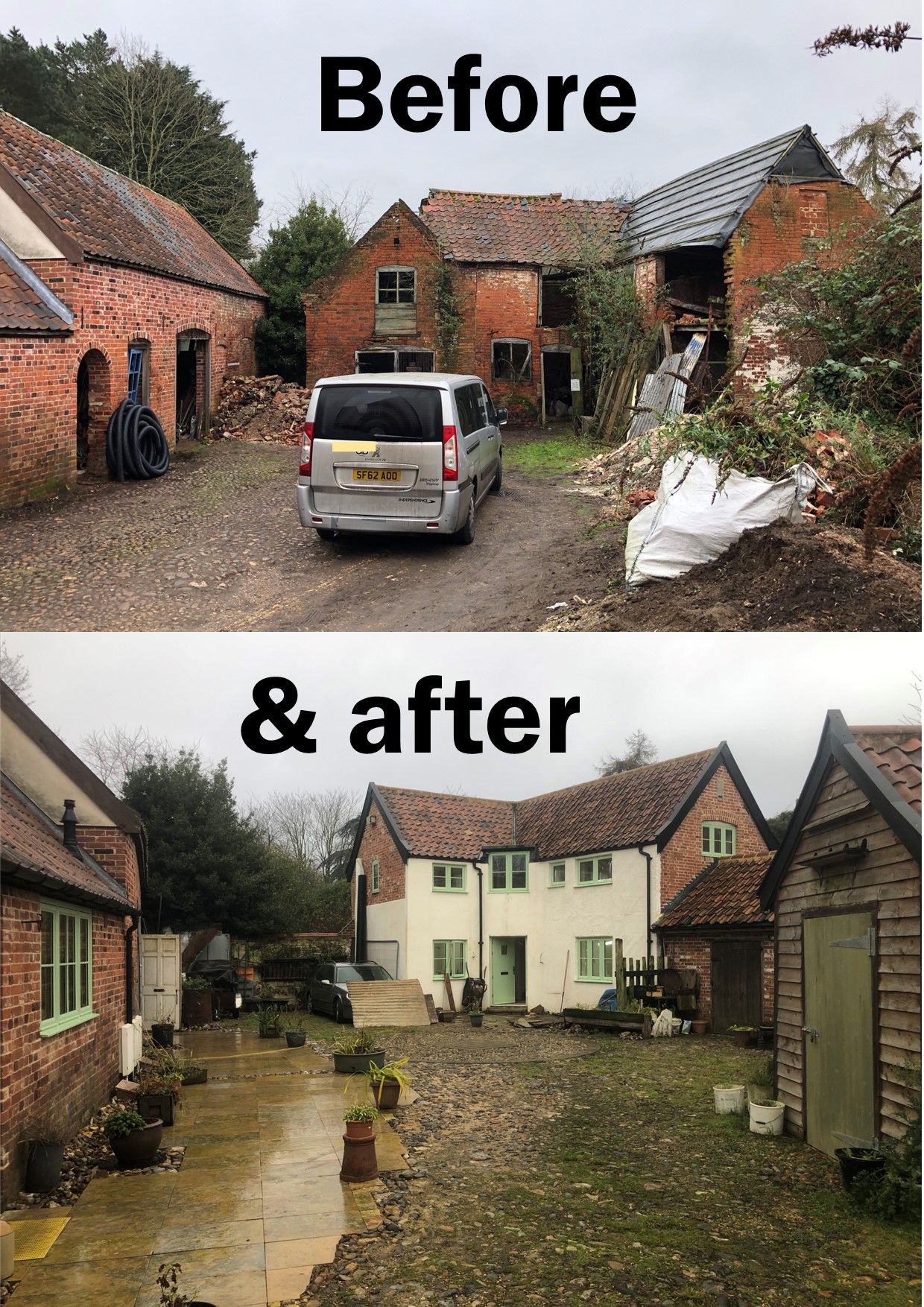 On 21 May 2024 the government announced:
"Planning rules coming into force today make it easier to convert unused farm buildings into new homes, farm shops and gyms.
Farmers will be able to convert their unused buildings into new homes and shops thanks to new planning laws coming into effect today.
The major changes give farmers across England greater freedoms to diversify and grow their business, without having to spend time and money submitting a planning application.
They will be able to convert agricultural buildings and land into new lucrative business opportunities, such as outdoor sports facilities, larger farm shops and farm training centres, as well as housing, thanks to the changes to permitted development rights coming in today."
Of course this does not mean a complete free-for-all and it is likely you will still be required to make a contaminated land assessment. We have a great deal of experience of preparing reports for farm building conversions from Hampshire to Norfolk, from Kent to Oxfordshire.
Farming Minister Mark Spencer said:
"I am extremely pleased to support our farmers and provide them the freedom to decide the best uses for buildings on their land, without needless bureaucracy holding them back.
We are listening to farmers and putting them at the heart of future development of our rural areas. Helping farmers secure their businesses and get on with the important job of producing food is our top priority."
The government website goes on to say:
From today, the Government is extending these rights to give farmers greater freedoms to diversify and convert agricultural buildings to commercial uses, as well as up to 10 homes, without needing to submit a planning application. ...
The changes will:
- Double the amount of floorspace that can change from agricultural to ‘flexible commercial use’ from 500 square metres to 1,000 square metres.
- Increase the size of new buildings or extensions that can be built on farms over 5 hectares from 1,000 square metres to 1,500 square metres.
- For smaller farms increase the size of such development from 1,000 square metres to 1,250 square metres.
- Double the number of homes that can be delivered through the conversion of agricultural buildings from five to 10.
A successful project requires careful planning let us help with that by getting started early with your contaminated land assessment.
Embedding Nature for Business Resilience
The Environment Analyst have produced a Corporate Guide: Embedding Nature for Business Resilience. We hope will encourage and enable an approach that goes beyond the bare minimum of remedial works but seeks to enhance the natural environment to the benefit of us all.
The Environment Analyst says:
"Emerging frameworks will see investors attach significant weight to the value of nature-based reporting and action to safeguard habitats. Meanwhile, asset owners are utilising nature-based solutions to develop resilience to climate change.
Environment Analyst’s free Corporate Guide was written by subject matter experts and seasoned environmental and sustainability advisers to give corporations the insights they need to embed nature-based solutions for business resilience. Download the guide now and learn how to navigate and prepare for the emergence of new nature reporting requirements and the development agenda."
Nitrogen and Phosphorus Nutrient Neutrality
The much discussed issue of nutrient neutrality affects 74 local authority areas in various parts of the country. Excessive levels of phosphates and nitrates contribute to the growth of algal blooms, which causes reduced oxygen levels with adverse impacts on aquatic life.
There are ways of achieving nutrient neutrality however practically and cost are the issues. For on-site solutions the natural options of fallow land and wetlands are generally impractical due to lack of space and the cost of treatment plants renders this out of reach for any but the largest schemes.
Off-site options are often therefore considered. Natural England requires mitigation to be provided within the same local catchment area as the development and to be maintained for a minimum of 80-125 years.
There are many excellent articles dealing with the issue in depth, here are three useful ones by Environment Analyst , Michelmores and JDP.
Its our Birthday! We are celebrating 20 years this month!

Its our Birthday! We are celebrating 20 years this month. The journey has been nothing short of incredible. The steadfast support from our esteemed employees and clients has fueled our growth.
Founded by our Managing Director, Peter George, in 2003, GO Contaminated Land Solutions has evolved into a diverse team with backgrounds in a range of disciplines working together with a commitment to excellence.
Peter is a Chartered Civil Engineer who has worked internationally and returned to the UK where he has worked for contactors, the public sector, and consultants, gaining a wide experience within the built environment with a focus for the last twenty years on environmental services related to the redevelopment of contaminated land.
Driven by a vision of integrity, cost-effective practical advice, and creating safe environments, we've operated across the UK and had the pleasure of collaborating with a diverse clientele.
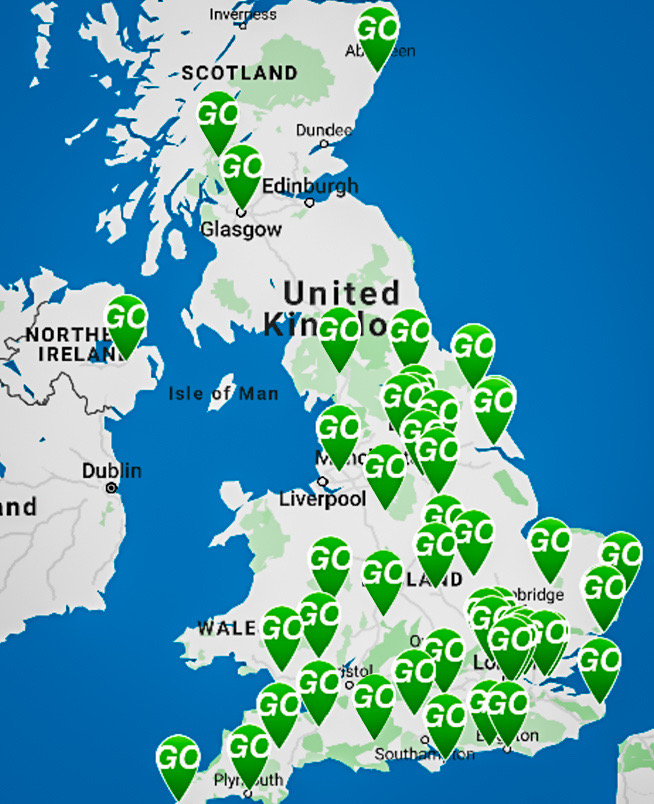
Since 2003 we have:
- Expanded services from contaminated land conditions from phase 1 desktop studies, phase 2 site investigation, phase 3 remediation strategies and phase 4 verification reports, monitoring to flood risk assessments, Basement Impact Assessments, drainage strategy and WAC testing.
- Collaborating with a range of clients including developers, consulting engineers, housing association, surveyors, project managers, homeowners, contractors, solicitors, local authorities, property agents and architects.
- In 2018 we rebranded with a refreshed logo

- In 2022 we have a new refreshed website @ www.gosolve.co.uk
- We have achieved CHAS advanced accreditation.
- Notable charitable contributions, including support for Sydenham Garden mental health initiatives.

To our dedicated employees and supportive clients, we extend our heartfelt gratitude. As we look forward to continued growth, our commitment remains unwavering – delivering the best services with our wealth of experience to ensure optimal project outcomes.
Thank you for being an vital part of our journey. We would love to hear from you! Please share your thoughts and feedback on our services, and newsletters.